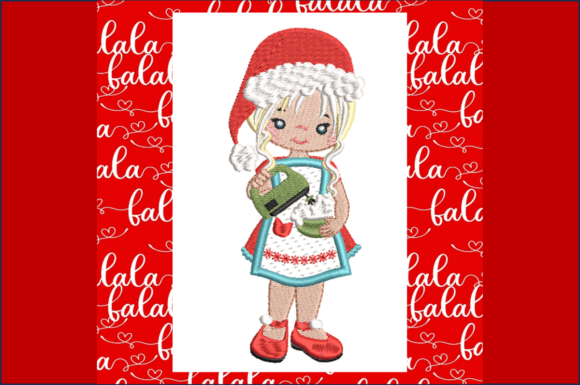
Baking Christmas-a: A Designer’s Review for Holiday Gifts
As an embroidery designer who has spent countless hours digitizing and testing patterns, I approach every new machine embroidery design with a critical eye. It is not just about how it looks on the screen; it is about how it performs under the needle and, more importantly, how it resonates with the end customer. Recently, I had the opportunity to test Baking Christmas-a, specifically the 1921A-Baking Christmas cutie doll, for a personalized gift shop project. The goal was simple: determine if this design could elevate standard holiday merchandise into meaningful keepsakes.
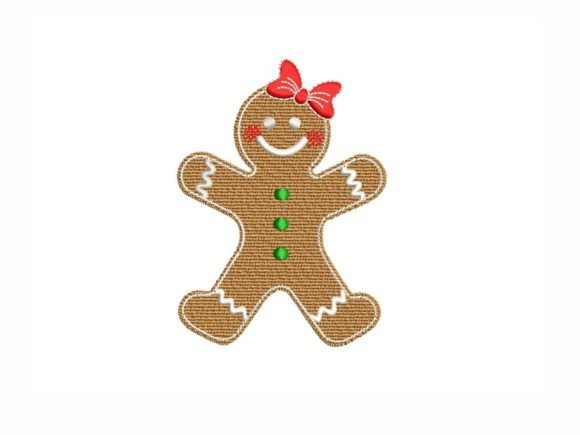
The first impression of Baking Christmas-a is undeniably warm. There is a specific charm to holiday-themed embroidery that balances nostalgia with modern aesthetics, and this design hits that sweet spot. The "cutie doll" motif suggests a playful, handmade quality that feels inviting rather than mass-produced. For any kitchen, this character is sure to make the space feel happier and more festive. But beyond the aesthetic appeal, I needed to verify its practicality for real-world applications.
Versatility Across Product Lines
One of the strongest assets of this embroidery file is its adaptability. In my review, I mapped out several potential products where this design would thrive. The description notes it is perfect for an apron bib, throw pillows, shopping bags, or framed wall art. From a production standpoint, this versatility is gold for small business owners and Etsy sellers who need to maximize their inventory without purchasing dozens of unique designs.
- Aprons and Kitchen Textiles: This is the natural home for Baking Christmas-a. Placing the design on an apron bib creates an immediate emotional connection for the wearer. It transforms a functional item into a festive statement piece.
- Throw Pillows and Home Decor: For those looking to update their living space for the holidays, this design works beautifully on pillow covers. The whimsical nature of the doll adds a touch of personality that rigid geometric patterns often lack.
- Shopping Bags and Totes: Custom tote bags are a huge seller during the holiday season. Using this design on canvas bags creates a durable, reusable handmade product that customers love to show off while grocery shopping or gift hunting.
- Framed Art: Sometimes, the best use of a detailed embroidery is simply to frame it. Hooped and framed, this piece becomes instant nursery decor or a charming addition to a gallery wall.
Considerations for Baby and Wedding Markets
While the primary category is Christmas, the softness of the design allows it to cross over into other niches. For baby embroidery, such as on a soft blanket or a nursery towel, the cute character appeals to parents looking for gentle, non-gender-specific decor. However, caution is required. When working with baby items, you must consider the fabric texture and safety. Ensure that any satin stitches are secure and that the backing does not irritate sensitive skin.
Similarly, for wedding gift designers, this could be adapted for a winter wedding keepsake. Imagine this embroidered on a high-quality linen tea towel included in a bridal shower gift set. It adds a layer of custom embroidery that elevates the perceived value of the gift. The key here is execution; the stitching must be flawless to maintain the elegance expected in wedding-related products.
Technical Challenges and Fabric Choices
No design is universal, and Baking Christmas-a requires thoughtful placement. During my testing, I identified several areas where care must be taken to ensure a professional finished product.
Small Lettering and Delicate Details: If the design includes any text or fine lines, these can get lost on textured fabrics like terry cloth towels. I recommend avoiding highly textured materials for the main focal point of the design. Instead, opt for smoother cottons or linens where the stitch definition remains crisp.
Stretchy Fabrics: Applying this to stretchy baby clothes or knit fabrics requires a robust stabilization strategy. Without proper support, the design may pucker or distort after washing. Always use a cut-away stabilizer for garments that will undergo frequent laundering.
Dark Fabrics: Thread color contrast is crucial. On dark fabrics, ensure your thread palette is bright enough to make the "cutie doll" pop. A mockup on dark fabric is essential before committing to a full production run. Check how the light hits the threads to ensure the details remain visible.
Enhancing Giftability and Customer Trust
From a business perspective, the emotional appeal of Baking Christmas-a directly impacts giftability. Customers are not just buying an embroidered item; they are buying a feeling of warmth and tradition. A well-executed design builds customer trust. When a buyer sees clean stitches, proper tension, and thoughtful placement, they perceive higher quality. This perception is vital for small shop product success.
Furthermore, this design aids in product photography. A cute, recognizable character photographs well on social media, driving buyer engagement. For digital product sellers, offering a printable mockup alongside the digital embroidery file can help customers visualize the final result, reducing hesitation and increasing conversion rates.
Practical Embroidery Notes for Makers
Before you launch this design in your store, follow these practical steps to ensure consistency and quality:
- Test on Scrap Fabric: Never skip the test stitch. Use the same fabric type you intend to sell to check for puckering or thread breaks.
- Check Thread Color Contrast: Verify that your chosen thread colors provide enough contrast against the fabric background. Adjust shades if necessary to maintain detail visibility.
- Confirm Hoop Size: Ensure the design fits comfortably within your hoop size without being too close to the edge, which can cause framing issues.
- Review Stitch Density: High density can make fabric stiff. Check if the density is appropriate for the intended product, especially for items like baby blankets that need to remain soft.
- Use Proper Stabilizer: Match your stabilizer to the fabric weight. Tear-away for stable wovens, cut-away for knits, and wash-away for delicate or sheer fabrics.
- Compare Light and Dark Mockups: Create visual examples for both light and dark fabrics to guide your customers on thread choices.
- Check Small Details After Stitching: Inspect the finished test piece closely. Are the eyes clear? Is the outline smooth? Minor adjustments in tension can make a big difference.
- Confirm Commercial Licensing: Before selling finished products, always verify the license terms associated with the commercial embroidery rights. Ensure you are compliant with the designer’s usage policies.
In conclusion, Baking Christmas-a is a strong contender for holiday collections. Its charm, combined with its versatility across aprons, pillows, and bags, makes it a valuable asset for any embroidery business. By paying attention to fabric choice, stabilization, and detail resolution, you can transform this digital file into a cherished personalized gift that brings joy to kitchens and homes alike. Remember, the magic lies not just in the design, but in the care taken during its creation.