Doggie: A Designer’s Review for Boutique Sweatshirts
As an embroidery designer who has spent years digitizing for high-end apparel and small boutique brands, I approach every new machine embroidery design with a critical eye. It is not just about whether the image looks cute on a screen; it is about how that design translates to fabric, how it withstands the wash cycle, and ultimately, how it elevates the perceived value of the finished product. Recently, I had the opportunity to test the Doggie embroidery design for a limited-run sweatshirt collection, and the results were telling.
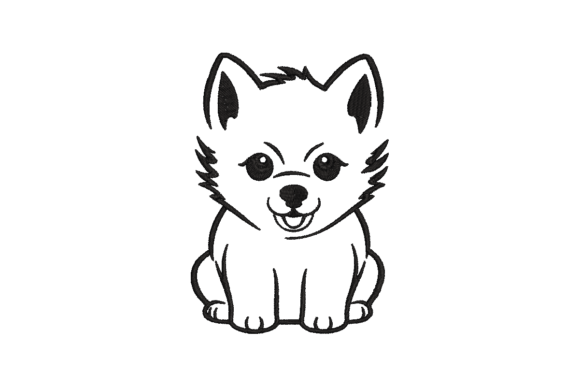
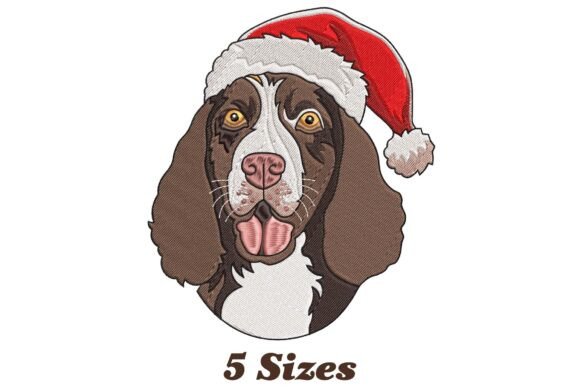
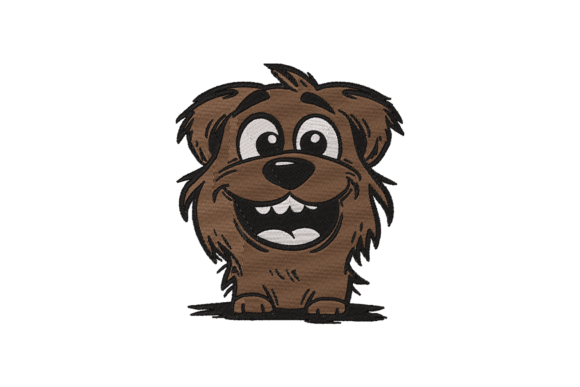
The product description promises an "enchanting creation that effortlessly merges artistry and whimsy," picturing this sweet pup enhancing festive charm or adding a delightful touch. While the marketing copy leans heavily into holiday decor like Christmas stockings, my focus was strictly on apparel. Could this whimsical canine hold its own on a premium heavyweight cotton blend? The answer, surprisingly, is yes—but with specific technical considerations that any serious Etsy seller or apparel decorator needs to understand.
First Impressions: Mood and Stitch Personality
When I first loaded the digital embroidery file into my editing software, the immediate impression was one of playful softness. The Doggie design does not scream for attention with aggressive, bold lines. Instead, it offers a gentle, decorative appeal that feels inherently handmade. For a boutique brand aiming for a cozy, approachable aesthetic, this is gold. The layout suggests a balance between detail and simplicity, avoiding the clutter that often plagues complex animal motifs.
The stitching personality appears to favor texture over solid fills. This is crucial for sweatshirt embroidery. Heavy satin stitches can pull on thick fleece or French terry, causing puckering. A design that relies on varied stitch directions and moderate density allows the fabric texture to breathe. In my initial test runs, the design felt less like a stiff patch and more like an integrated part of the garment. It strikes a tone that is simultaneously cute and refined, making it suitable for both casual wear and slightly more dressed-up loungewear.
Placement Strategy for Hoodies and Sweatshirts
One of the most exciting aspects of working with a versatile motif like Doggie is exploring placement. For this project, I tested three distinct areas:
- Chest Placement: On the left chest, the design acts as a subtle brand accent. It is small enough to be understated but detailed enough to be recognized. This works exceptionally well for neutral sweatshirts in oatmeal, charcoal, or sage green.
- Sleeve Accents: Placing the dog near the cuff or mid-sleeve adds a unexpected element of surprise. This is a trending look in modern streetwear and helps differentiate a small shop product from mass-market alternatives.
- Back Designs: For oversized hoodies, scaling up the Doggie design for the upper back creates a bold statement. However, this requires careful attention to stitch density to ensure the garment remains comfortable and does not become too heavy or rigid.
When photographing these pieces for lifestyle product photography or creating a printable mockup for online listings, the chest placement offered the highest conversion potential. It frames the face nicely in selfies and social media content, which is vital for customer engagement.
Technical Considerations for Commercial Use
Transitioning from a pretty picture to a durable commercial embroidery piece requires rigorous testing. Here are the practical concerns I addressed during the production of the Doggie samples:
Fabric and Stabilizer Choice
Sweatshirts vary wildly in quality. For this test, I used a 300 GSM cotton-poly blend. Because the design has whimsical, flowing elements, I opted for a medium-weight cut-away stabilizer. Tear-away stabilizers often leave residue or fail to support the stitches adequately on stretchy fabrics, leading to distortion after washing. The cut-away provided the necessary backbone, ensuring the thread colors remained vibrant and the shape held true.
Thread Color Contrast
The versatility of Doggie shines when experimenting with thread palettes. On dark navy or black hoodies, I used high-contrast metallic or bright pastel threads to make the design pop. Conversely, on pastel pink or cream sweatshirts, tonal threading (using shades slightly darker or lighter than the fabric) created a sophisticated, minimalist look. This adaptability allows a single embroidery file to serve multiple colorways in a collection, maximizing the utility of your design assets.
Readability at Small Sizes
A common pitfall with detailed animal designs is loss of clarity when scaled down. I tested Doggie at various dimensions to determine the minimum viable hoop size. For chest logos, keeping the width above 2.5 inches ensured that the facial features and whimsical details remained readable. Below this threshold, the stitches began to merge, losing the charm that defines the design. Always check the recommended hoop dimensions provided with your file to avoid this issue.
Elevating Brand Identity and Value
Why does a design like Doggie matter for your business? In the saturated market of custom apparel, buyers are looking for authenticity. A generic, clip-art style graphic feels cheap. An embroidered design, with its tactile depth and slight imperfections, signals quality. It builds buyer trust because it demonstrates effort and craftsmanship.
For an Etsy seller or independent boutique owner, this design serves as a powerful tool for visual recognition. When customers see that specific whimsical pup, they associate it with your brand’s unique voice. It moves beyond being just a product; it becomes part of your brand identity. Furthermore, the "festive charm" mentioned in the description makes it a perennial seller. While it works year-round for dog lovers, it sees a spike in demand during the holiday season for gift-giving, extending its commercial lifespan.
It is important to note that while the design is robust, you must verify the specific technical details before full production. The provided description does not list exact stitch counts, specific file formats (such as PES, DST, or JEF), or precise hoop size limitations. Always download the preview files and check these specifications against your machine’s capabilities. Additionally, confirm the license terms to ensure the digital embroidery file permits commercial use for physical goods, which is standard for most reputable designers but always worth double-checking.
Final Verdict for Apparel Decorators
The Doggie embroidery design is a strong contender for any designer looking to add warmth and personality to their apparel line. It bridges the gap between childish cute and adult-appropriate whimsy. Whether you are creating a cozy winter collection or a spring pastel drop, this design offers the flexibility needed for diverse creative projects.
By paying attention to stabilizer choices, thread contrast, and strategic placement, you can transform a simple digital file into a high-value handmade product. It encourages customer engagement through its shareable aesthetic and supports brand building through consistent, quality application. For those ready to elevate their sweatshirt game, Doggie is a design that delivers both charm and commercial viability.