I Love Santa: A Designer’s Review for Holiday Stitching
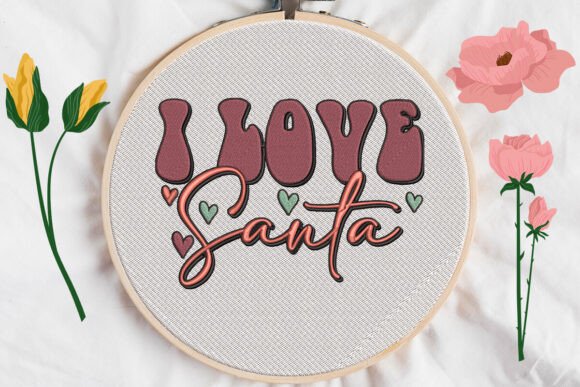
As an embroidery designer who has spent countless hours digitizing and testing files, I approach every new machine embroidery design with a critical eye. It is not just about whether the image looks cute on a screen; it is about how those stitches translate to fabric, how they hold up under tension, and whether they add genuine value to a finished product. Recently, I evaluated I Love Santa, a festive piece intended to bring a vibrant and imaginative flair to various textiles. Here is my practical assessment of how this design performs in real-world scenarios.
First Impressions and Visual Personality
The immediate appeal of I Love Santa lies in its cheerful simplicity. In a market saturated with overly complex holiday motifs, this design offers a clean, recognizable silhouette that reads well from a distance. The mood is undeniably joyful, capturing the essence of Christmas without relying on excessive clutter. For a designer, this is crucial. When you are working with limited space on a garment or accessory, clarity is king. The layout suggests a balanced composition, likely utilizing a mix of satin stitch for smooth outlines and fill stitch areas to create body and presence.
What stands out is the versatility of the theme. While it is firmly rooted in holiday embroidery, the stylistic approach feels modern enough to fit into contemporary home decor or boutique apparel. It does not scream "cheap novelty"; instead, it suggests a thoughtful, handmade touch that customers appreciate in personalized gifts.
Real-World Application: From Totes to Towels
To truly test a design, you must imagine it on actual products. I visualized I Love Santa on several common items to gauge its effectiveness. First, consider a canvas tote bag. The sturdy texture of canvas provides an excellent foundation for embroidery, allowing the stitches to sit high and proud. Here, the design would serve as a focal point, turning a basic grocery bag into a charming holiday gift carrier.
Next, I pictured it on a sweatshirt. Sweatshirt embroidery requires careful attention to fabric stretch and thickness. If the design incorporates dense stitching, it could cause puckering if not properly stabilized. However, given the description emphasizes a "stylish update," I anticipate the digitizing aims for a balance that works well on fleece or cotton blends. This makes it ideal for custom apparel sold by Etsy sellers looking to offer seasonal items that feel premium rather than mass-produced.
For home decor, think about kitchen towels or pillow covers. A tea towel made of linen or cotton waffle weave offers a different challenge. The texture can interfere with small details. If I Love Santa relies on fine lines, it might get lost in the weave. However, if it uses bold shapes and solid fills, it will pop beautifully against the neutral background of a white or cream towel, adding that vibrant flair mentioned in the product notes.
Technical Considerations for Stitching Success
Before loading any embroidery file into your machine, there are technical factors to address. Since specific stitch counts and hoop sizes are not detailed in the brief description, you must verify these details before starting. Check if the design fits your standard 4x4 or 5x7 hoop, as this determines where you can place it. A design that is too large for a cap brim, for instance, will require resizing, which can distort proportions and affect stitch density.
Stitch density is another critical element. High-density areas can make fabric stiff and prone to breaking needles, especially on thinner materials like baby clothes. If you plan to use this for baby embroidery, ensure you use a soft stabilizer and test on scrap fabric first. Conversely, on thick fabrics like denim or heavy canvas, you might need a cut-away stabilizer to prevent the design from pulling out over time.
Thread color choice also plays a massive role in the final look. While traditional reds and greens are obvious choices, consider experimenting with monochromatic schemes for a sophisticated twist. A white-on-white embroidered patch using I Love Santa could look incredibly elegant on a winter coat. Always test your thread colors on the actual fabric you intend to use, as lighting and texture can change how colors appear.
Navigating Challenges: Fabric and Placement
Not every fabric is created equal. When working with stretchy knits, such as those used for t-shirts or caps, stabilization is non-negotiable. Without proper support, the design can warp, causing the letters or shapes to look distorted. Curved surfaces like caps present additional challenges; the design must be centered perfectly, and the hooping technique must be precise to avoid shifting.
Dark fabrics require special attention to visibility. If the design includes thin running stitches or light-colored threads, they may disappear against black or navy material. In such cases, consider using an applique design technique if the file supports it, or layering a contrasting fabric underneath to make the embroidery stand out. This adds dimension and ensures the design remains legible and attractive.
Commercial Value and Brand Consistency
For small business owners and craft entrepreneurs, the commercial viability of a design is paramount. I Love Santa has the potential to enhance brand consistency if it aligns with your shop’s aesthetic. It works well for holiday gifts, boutique branding, and small shop merchandise. Customers are increasingly drawn to items that feel unique and handcrafted. A well-executed embroidered item signals quality and care, building trust and encouraging repeat business.
When creating printable mockups or digital product previews, ensure the images accurately represent the stitched result. Misleading photos can lead to customer dissatisfaction. Use high-quality photos of the actual finished product on various backgrounds to show versatility. This transparency helps buyers visualize the item in their own lives, whether as a personalized gift or a festive addition to their home.
Final Designer Notes
Before committing to a large batch of production, always run a test stitch. Check for thread breaks, nesting, or registration issues. Confirm the licensing terms for the digital embroidery file to ensure you are compliant when selling finished items. Most designers allow commercial use for physical products, but restrictions may apply to reselling the digital file itself.
In summary, I Love Santa offers a delightful option for holiday embroidery projects. Its strength lies in its adaptability across different mediums, from apparel to home decor. By paying attention to stabilizer choice, thread contrast, and fabric texture, you can transform this design into a standout piece that delights customers and elevates your craft business. Whether you are an experienced decorator or a hobbyist maker, this design invites creativity and promises a festive finish when handled with care.