Pine Tree Embroidery Review for Boutique Apparel
As an embroidery designer who spends most of my days digitizing and testing designs for small clothing brands, I am always on the lookout for motifs that balance charm with technical reliability. When I recently browsed the Creative Fabrica embroidery library for seasonal assets, the Pine Tree design caught my eye. It promises to add personality to fabrics, but does it hold up under the scrutiny of a professional boutique collection? After reviewing the details and visualizing its application on various garments, I believe this piece offers significant potential for decorators looking to elevate their winter lineup.
Visual Personality and Stitching Mood
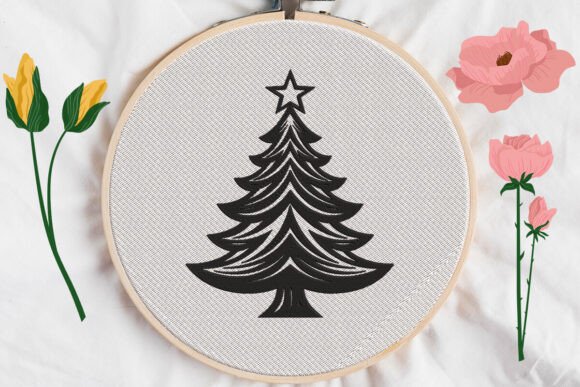
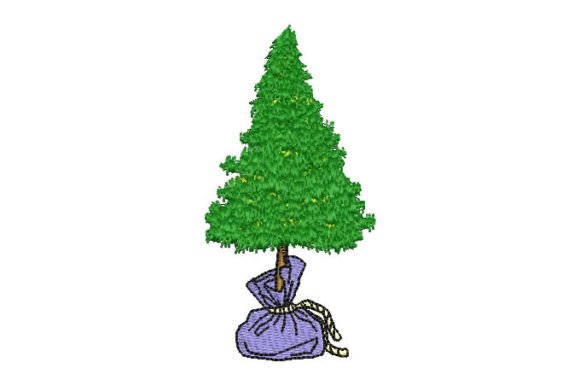
The first impression of the Pine Tree design is one of rustic elegance. It does not scream for attention with overly complex shading or excessive detail; instead, it relies on clean lines and a classic silhouette. This minimal approach makes it incredibly versatile. For a boutique brand, this is crucial. You want a design that feels premium and intentional, not cluttered. The stitching mood leans towards cozy and traditional, fitting perfectly within the Christmas category without being kitschy. It feels at home on a high-end fleece hoodie just as much as it does on a structured denim jacket.
When evaluating the decorative strength, I look for balance. This design appears to have a moderate detail level, which suggests it will stitch out cleanly without requiring hours of trimming or excessive stabilizer manipulation. For apparel decorators, this translates to efficiency. A design that looks good and stitches fast is the backbone of a profitable small shop product line.
Apparel Applications and Placement Strategies
Imagining this design in a real-world production scenario, I see several strong use cases for sweatshirt embroidery and custom apparel. Here is how I would deploy the Pine Tree across a hypothetical collection:
- Hoodie Chest Placement: A small to medium-sized version of the tree works beautifully on the left chest of neutral sweatshirts. Think oatmeal, charcoal, or deep forest green. The contrast of the thread against these muted tones creates a sophisticated, understated look that appeals to adult buyers.
- Sleeve Accents: For a trendy twist, placing a smaller iteration on the sleeve cuff or upper arm of an oversized garment adds a subtle detail that customers love. It breaks up the monotony of plain fabric and adds value to the finished product.
- Back Designs: If the design scales well, a larger version centered on the back of a heavy hoodie can serve as a statement piece. However, one must be cautious with scale to ensure the stitch density does not compromise the drape of the fabric.
- Tote Bag Design: Beyond apparel, this motif is ideal for canvas tote bags. The sturdy nature of canvas handles embroidery well, making it a perfect add-on item for Etsy seller shops looking to increase average order value.
For those creating printable mockup assets or social media graphics, the clean lines of the pine tree photograph well. It provides a clear focal point for lifestyle product photos, helping to build brand identity and visual consistency across your marketing channels.
Fabric Considerations and Technical Challenges
While the design is charming, successful execution depends on understanding your materials. Embroidery on stretchy fabrics like fleece or ribbed knits requires careful planning. The Pine Tree design, if too dense, could cause puckering on lightweight t-shirts or thin jersey fabrics. Therefore, checking the stitch density is vital before running a full batch.
I recommend testing on scrap fabric that matches your production material. If you are working with dark garments, consider using a lighter thread color for contrast, or stick to traditional greens and browns for a tonal, rustic effect. For curved surfaces like the shoulder or sleeve, ensure your hoop size allows for proper stabilization without distorting the garment shape. A cut-away stabilizer is often safer for washable apparel than tear-away, ensuring the design remains intact after multiple laundry cycles.
Be particularly careful with areas that may stretch or wrinkle. If the design includes any tiny lettering or fine details, these can get lost in the texture of fluffy fleece. Always inspect the digitizing quality. Since the product description notes that this machine embroidery design comes with multiple embroidery file formats, you should have the flexibility to choose the format best suited for your specific machine software.
Enhancing Brand Value and Customer Trust
Incorporating a well-executed design like Pine Tree can significantly affect your apparel value. It signals to the buyer that care was taken in the creation process. For a boutique brand, consistency is key. Using this design across a coordinated collection—perhaps pairing it with matching thread colors on different items—creates product recognition. Customers begin to associate that specific aesthetic with your shop.
Moreover, professional presentation builds buyer trust. When your commercial embroidery products look crisp and well-placed, customers feel confident in the quality. This is especially important for handmade product sellers where the perceived value is tied directly to the craftsmanship. A sloppy stitch-out can damage reputation, but a clean, vibrant pine tree enhances the perceived quality of even a basic garment.
Practical Designer Notes for Production
Before you commit to producing a full run of custom apparel, keep these practical steps in mind:
- Confirm File Details: The product description states it can be used with multiple embroidery machines, but it does not specify exact hoop sizes or stitch counts. Always download the sample or check the detailed file list on Creative Fabrica to ensure compatibility with your equipment.
- Check Licensing: Verify the license terms for selling finished apparel. Most Creative Fabrica designs allow for physical sales, but it is crucial to confirm this to protect your business.
- Test Thread Colors: Don't assume standard green will work for every fabric. Test metallic threads for a festive touch or matte cotton threads for a vintage look. The right thread colors can transform the mood of the design.
- Review Stabilizer Choice: Match your stabilizer to the fabric weight. Heavy fleece needs support, while delicate knits need flexibility.
In conclusion, the Pine Tree design is a strong contender for any designer looking to add a touch of seasonal charm to their portfolio. It bridges the gap between cute and classic, offering versatility for various apparel types. By paying attention to technical details like placement, stabilization, and fabric texture, you can leverage this digital embroidery file to create high-quality, marketable pieces that resonate with your audience. Whether you are an experienced decorator or a new creative entrepreneur, this design offers a reliable foundation for building a cohesive and appealing winter collection.