Review: Buffalo Plaid Reindeer Christmas Design
As a designer who has spent countless hours digitizing and stitching out holiday motifs, I approach every new machine embroidery design with a mix of curiosity and skepticism. The market is flooded with seasonal graphics, but few strike the right balance between visual charm and technical stitchability. When I first loaded the Buffalo Plaid Reindeer Christmas file into my software, I was looking for more than just a cute reindeer; I wanted to see if the plaid pattern would translate cleanly into thread or if it would become a muddy mess of overlapping colors.
First Impressions and Visual Mood
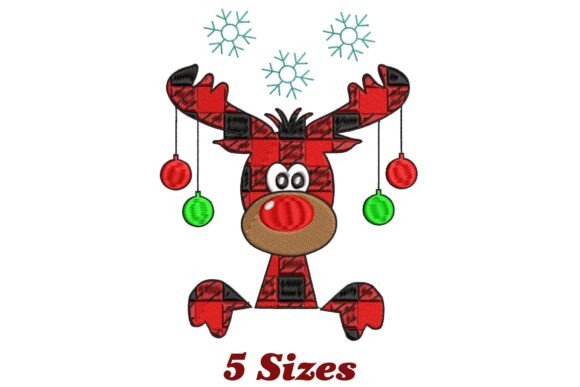
The immediate appeal of this design lies in its fusion of rustic warmth and classic holiday iconography. The buffalo plaid texture adds a layer of depth that flat color fills often lack. It evokes a cozy, cabin-in-the-woods feeling that resonates strongly with current home décor trends. For an Etsy seller or craft business owner, this aesthetic is gold. It moves beyond generic holiday cheer into something that feels curated and intentional.
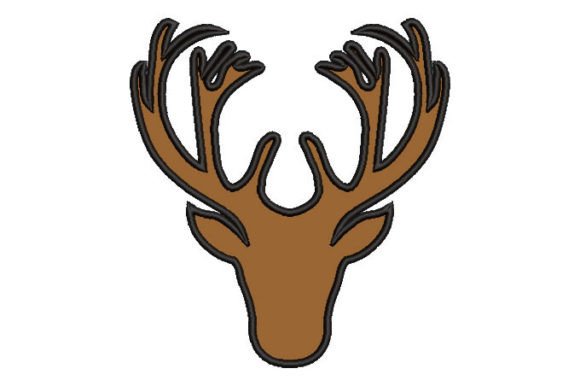
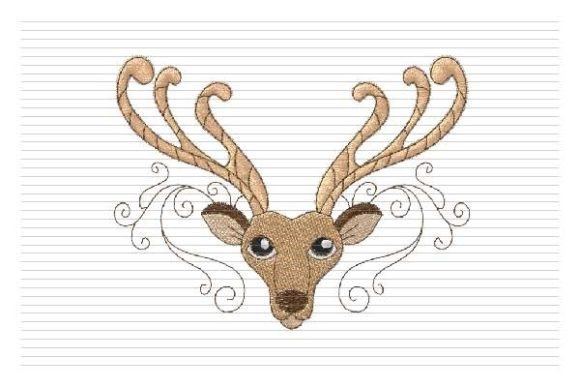
From a layout perspective, the reindeer silhouette provides a strong anchor. The plaid pattern within the shape needs to be crisp. If the stitch density is too high, the fabric will pucker; if it is too low, the plaid lines will blur. In my initial review, the design appeared to handle this balance well, using distinct color blocks to simulate the plaid rather than relying on overly complex micro-stitching that might break frequently.
Real-World Application: The Holiday Tote Project
To truly evaluate a design, you have to imagine it on a finished product. I recently worked on a batch of custom canvas tote bags for a local boutique’s holiday gift guide. This was the perfect test bed for the Buffalo Plaid Reindeer Christmas motif. Canvas is sturdy, but it has a visible weave that can interfere with fine details.
I chose a natural, unbleached canvas for the base. The contrast between the earthy fabric and the bold reds and blacks of the buffalo plaid created a striking visual. The design sat centrally on the bag, acting as the focal point without overwhelming the simple structure of the tote. Customers are increasingly drawn to handmade products that look professional yet personal. This design delivered that vibe. It didn’t look like a mass-produced iron-on transfer; the texture of the satin stitch borders and the fill stitch interior gave it a tactile quality that buyers appreciate.
Versatility Across Product Lines
Beyond tote bags, this design shows promise across various embroidery projects. Here is how it performs in different contexts:
- Sweatshirt Embroidery: On fleece or cotton blends, the design holds up well. The plaid pattern adds visual interest to what is often a plain garment. However, ensure you use a cut-away stabilizer to prevent distortion from the weight of the stitches.
- Home Décor: Imagine this on a pillow cover or kitchen towel. For table linens, the design adds a festive touch that isn’t overly childish, making it suitable for adult gatherings as well as family events.
- Custom Apparel: Placing this on the left chest of a flannel shirt or denim jacket creates a subtle, stylish accent. It works beautifully as a personalized gift when paired with a monogram underneath.
- Embroidered Patch: The clear outlines make it ideal for creating iron-on or sew-on patches. This allows for pre-production batching, which is a huge time-saver for small shop owners during the busy holiday rush.
Technical Considerations and Stitching Advice
While the design is visually appealing, practical execution requires attention to detail. Not all fabrics behave the same way, and not all machines handle complex color changes identically. Here are some critical notes for designers preparing to stitch this out.
First, always check the thread colors against your specific brand palette. The buffalo plaid effect relies on high contrast. If your red is too orange or your black is too gray, the pattern will lose its definition. I recommend doing a test stitch on scrap fabric before committing to your final product. This helps you verify that the running stitch underlays are sufficient to stabilize the plaid sections.
Second, consider the hoop size. Ensure the design fits comfortably within your hoop with adequate margin for stabilization. If you are stitching on curved surfaces like caps, you may need to resize the design slightly to avoid distortion. Caps require careful hooping and often benefit from a stronger stabilizer to keep the plaid lines straight.
Third, be mindful of fabric texture. On thin or stretchy fabrics, the density of the fill stitches might cause puckering. In such cases, consider using a lighter weight stabilizer or adjusting the stitch density settings in your software if you have the editable file. For dark fabrics, ensure the underlay is dense enough to prevent the background color from showing through the plaid pattern.
Commercial Viability and Brand Consistency
For those using this as a digital embroidery file for commercial purposes, consistency is key. The Buffalo Plaid Reindeer Christmas design offers a cohesive look that can help build brand recognition. Whether you are selling finished products or offering custom apparel services, using high-quality, well-digitized designs enhances customer trust.
Buyers can often tell the difference between a hastily stitched design and one that has been carefully planned. Clean edges, consistent tension, and vibrant colors signal professionalism. This design, when stitched correctly, elevates the perceived value of the item. It transforms a simple sweatshirt into a boutique-worthy piece or a plain towel into a cherished holiday keepsake.
However, always confirm licensing terms before selling. While many designs allow for commercial use of finished items, restrictions may apply to reselling the digital file itself. Check the provider’s guidelines to ensure you are compliant.
Final Verdict
The Buffalo Plaid Reindeer Christmas embroidery design is a strong contender for your holiday collection. It balances trendiness with timeless appeal, making it versatile for a wide range of applications. From baby embroidery on onesies to sophisticated home décor accents, it adapts well to different materials and products.
Remember to test on scrap fabric, choose your stabilizer wisely, and pay attention to thread contrast. With proper preparation, this design can become a staple in your craft business, helping you create memorable holiday embroidery pieces that customers will love. It is not just a design; it is a tool for creating connection and joy during the festive season. Use it thoughtfully, and it will serve your creative enterprise well.