Review: Dog and Rudolph Split Frame Design
As an embroidery designer who has spent years digitizing files for small business merchandise, I approach every new machine embroidery design with a critical eye. It is not just about whether a motif looks cute on a screen; it is about how it translates to fabric, how it holds up in production, and whether it adds genuine value to a brand’s identity. Recently, I evaluated the Dog and Rudolph Split Frame - Snowflakes, a festive piece that promises to add a playful touch to holiday projects. For shop owners, Etsy sellers, and apparel decorators, understanding the practical application of this design is crucial before committing to bulk production.
First Impressions and Visual Personality
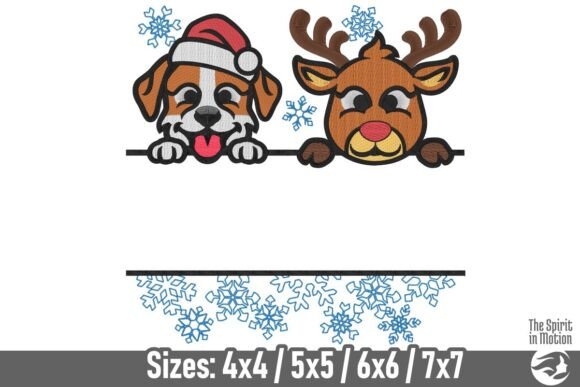
The immediate impression of the Dog and Rudolph Split Frame - Snowflakes is one of balanced whimsy. The concept of a split frame featuring a peeking Santa Dog and Rudolph the Reindeer suggests a narrative quality that static logos often lack. From a design perspective, this feels friendly and approachable, making it ideal for brands that want to project warmth and community spirit. It does not scream "corporate"; instead, it whispers "handmade care." This distinction is vital for boutique owners and creative studios where the customer experience is tied to emotional connection.
The inclusion of snowflakes within the frame structure adds a layer of decorative complexity without overwhelming the central characters. For a Christmas themed product, this balance is essential. Too much detail can result in a muddy stitch-out, while too little can look amateurish. This design appears to strike a middle ground, offering enough texture to be interesting but maintaining clear silhouettes that ensure recognizability even from a distance.
Strategic Applications for Small Business Merch
When considering small business merch, versatility is key. The Dog and Rudolph Split Frame - Snowflakes is not limited to a single application. Here is how I envision it performing across various product lines:
- Embroidered Patches: This is perhaps the strongest use case. A split frame design naturally lends itself to the shape of a patch. It can be produced as a standalone asset that customers can buy separately or as a limited-edition add-on for holiday orders. The framing element provides a clean border, which simplifies the finishing process for satin stitch edges.
- Apron Embroidery: For bakeries, florists, and cafés, staff uniforms are walking billboards. Placing this design on the chest pocket or lower corner of an apron adds seasonal flair without compromising professionalism. It signals to customers that the business is engaged with the current season, fostering a sense of timeliness and relevance.
- Cap Embroidery: While cap fronts have limited space, the split nature of the frame allows for creative placement. One could place the dog on one side of the center seam and Rudolph on the other, though this requires precise alignment. Alternatively, using the entire frame on a dad hat or beanie offers a cozy, winter-ready aesthetic that appeals to younger demographics.
- Tote Bag Design: Canvas tote bags are staples for handmade brands. The thread colors used in this design should contrast sharply against natural or dark canvas to ensure visibility. The playful nature of the characters makes these bags highly shareable on social media, increasing brand exposure.
Navigating Production Challenges
While the aesthetic appeal is high, any experienced embroiderer knows that beauty must be backed by technical viability. There are specific areas where the Dog and Rudolph Split Frame - Snowflakes requires careful handling. First, consider the stitch density. Holiday designs often incorporate snowflakes and fur textures, which can lead to high stitch counts if not optimized. High density on textured fabrics like fleece or thick denim can cause puckering. Therefore, testing on the actual fabric texture intended for production is non-negotiable.
Furthermore, the size of the design matters. If you intend to use this as a small chest logo on work shirts, ensure that the details of the dogs’ faces and the snowflake patterns do not merge into a blob. Small patch sizes demand simplified detailing. If the original embroidery file is dense, you may need to resize it carefully or request a simplified version from the digitizer. Always check the recommended hoop size before purchasing. A design that requires a large hoop may not be cost-effective for small items like socks or baby garments.
Dark uniforms present another challenge. If your brand colors are navy or black, you must ensure the thread palette includes bright, opaque colors. Red for Rudolph’s nose and white for the snowflakes must pop. Poor contrast can render the design invisible in low-light settings, such as evening events or dimly lit shops.
Impact on Brand Identity and Customer Trust
Consistency in visual assets builds trust. When a customer sees the same high-quality Dog and Rudolph Split Frame - Snowflakes on your packaging, your website, and your physical merchandise, it reinforces brand recognition. This design, being inherently cheerful, can soften a brand’s image, making it more accessible. For handmade product sellers, using such a distinctive digital embroidery file sets you apart from competitors who rely on generic clip art. It shows investment in quality and attention to detail.
Moreover, personalized elements mentioned in the description, such as adding names or messages, can significantly increase perceived value. Customization transforms a standard product into a keepsake. For Etsy branding, this capability is a major selling point. It encourages buyer engagement and can justify a higher price point for the finished product.
Practical Designer Notes for Implementation
Before running a full production batch, follow these steps to ensure success with the Dog and Rudolph Split Frame - Snowflakes:
- Test in Black and White: Print or stitch the design in monochrome first. This reveals if the shapes are distinct and if the spacing between elements is sufficient. If the design loses its form in black and white, it will likely fail in color too.
- Check Stabilizer Requirements: Use the appropriate stabilizer for your fabric. Cut-away stabilizer is generally recommended for garments that will undergo frequent washing, ensuring the design remains flat and secure over time.
- Create a Printable Mockup: Before stitching, create a printable mockup to show clients or stakeholders. This helps in approving placement and scale without wasting thread and fabric.
- Verify Commercial Licensing: Always confirm the license terms of the design assets. Ensure that the commercial embroidery rights are included if you plan to sell items featuring this design. Never assume a personal-use file allows for retail sales.
- Inspect Thread Color Contrast: Choose thread colors that align with your brand palette while respecting the traditional hues of the characters. Deviating too far from expected colors (like making Rudolph blue) might confuse the viewer unless it is a deliberate stylistic choice.
In conclusion, the Dog and Rudolph Split Frame - Snowflakes is a strong contender for holiday-themed custom apparel and accessories. Its playful yet structured design offers flexibility for various applications, from patches to aprons. However, its success depends on rigorous testing regarding stitch density, fabric compatibility, and color contrast. By treating this design as a strategic brand asset rather than just decoration, small business owners can leverage it to enhance customer engagement and drive seasonal sales. Always prioritize quality control and verify all technical specifications of the embroidery file before committing to large-scale production.