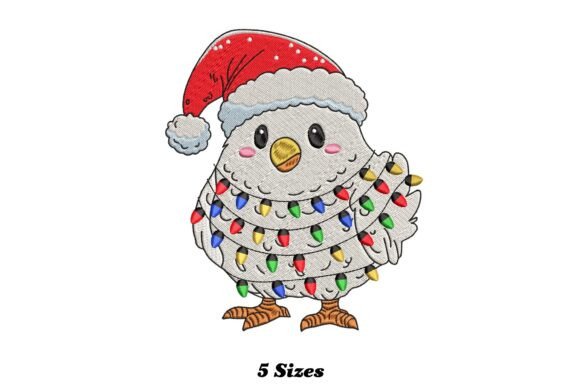
Lighting Chicken Christmas: A Designer’s Review
As an embroidery designer who has spent years digitizing files for small businesses and boutique brands, I approach every new machine embroidery design with a critical eye. It is not just about whether the image looks cute on a screen; it is about how it translates to fabric, how it holds up in production, and most importantly, how it serves the brand identity of the client using it. Today, I am reviewing Lighting Chicken Christmas, a festive design that promises to spruce up fabrics with a captivating and lively touch. For shop owners, Etsy sellers, and apparel decorators, understanding the practical application of this file is crucial before adding it to your commercial catalog.
First Impressions and Visual Personality
The title Lighting Chicken Christmas immediately suggests a blend of whimsy and seasonal charm. In the world of holiday merchandising, standing out from the sea of traditional snowflakes and generic reindeer is essential. This design appears to offer a playful, creative touch that brings personality to any item. From a branding perspective, this is invaluable. It feels less like a stiff corporate logo and more like a friendly, handmade gesture. The aesthetic leans towards the rustic yet modern, making it suitable for businesses that want to appear approachable and fun.
For a bakery, a pet brand, or a local creative studio, this visual personality can soften the brand image. It signals to customers that the business values creativity and joy. However, as designers, we must look beyond the concept. Does the "lively" nature of the design translate into clean stitch paths? Does the "captivating" element rely on complex shading that might not hold up on textured fabrics? These are the questions I ask before recommending any digital embroidery file for client work.
Real-World Applications for Small Business Merch
When evaluating Lighting Chicken Christmas for commercial use, versatility is key. The product description highlights its suitability for t-shirts, towels, and home decor, but let us dig deeper into specific business applications.
- Embroidered Patches: This is perhaps the strongest use case. A patch allows for higher stitch density and better definition than direct-to-garment embroidery on thin materials. Selling these as add-ons during the holiday season can significantly boost average order value.
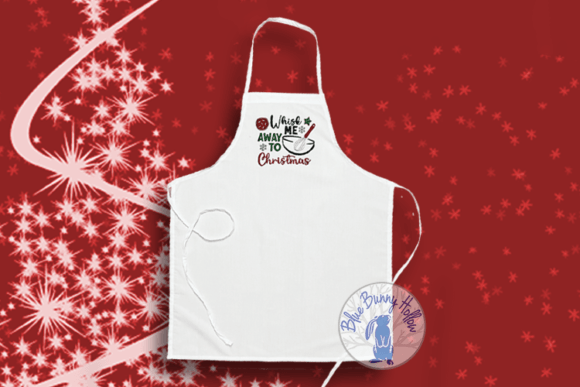
- Staff Uniforms and Aprons: For cafes and boutiques, staff apparel is a walking billboard. An apron embroidery featuring this design adds a festive touch without overwhelming the professional look. It creates a cohesive team aesthetic that customers find welcoming.
- Tote Bag Design: Holiday shoppers love reusable bags. Placing this design on a canvas tote creates a functional piece of small business merch that customers will use long after the holidays, extending brand visibility.
- Cap Embroidery: A small version on the front or side of a dad hat can be a subtle nod to the season. However, curvature requires careful digitizing to prevent distortion.
For Etsy sellers and crafters, this design can serve as a central element in gift sets. Imagine a matching set of kitchen towels and an oven mitt, all featuring the Lighting Chicken Christmas motif. This creates a perceived value that goes beyond individual items, encouraging bundle purchases.
Technical Considerations and Production Challenges
While the concept is charming, the execution determines the quality of the finished product. Here are the technical aspects every embroidery shop owner must consider before running a bulk order.
Stitch Density and Fabric Texture: Lively designs often involve intricate details. If the stitch density is too high, it can cause puckering, especially on lighter fabrics like t-shirts or towels. Conversely, if the density is too low, the fabric may show through, ruining the visual impact. Always test the design on the actual fabric you intend to use. For textured fabrics like terry cloth towels, a cut-away stabilizer is non-negotiable to maintain shape.
Size Limitations: The description mentions it brings personality to any item, but scale matters. On a small patch, fine details may merge. I recommend creating a printable mockup at various sizes to check legibility. If the design includes small text or thin outlines, ensure they are thick enough to survive the embroidery process without breaking.
Thread Colors and Contrast: Christmas themes often rely on red, green, and gold. Ensure that the thread colors chosen provide sufficient contrast against the garment color. For dark uniforms, you may need to adjust the palette or add a white underlay to make the design pop. Testing in black and white first can help identify if the design relies too heavily on color for definition rather than shape.
Impact on Brand Identity and Customer Trust
Using a unique design like Lighting Chicken Christmas does more than decorate a product; it reinforces brand identity. In a market saturated with mass-produced goods, handmade or custom-embroidered items signal quality and care. When a customer receives a tote bag or apron with precise, clean embroidery, it builds trust. It shows that the business pays attention to detail.
Furthermore, consistent use of such design assets across different products—patches, caps, and packaging accents—creates visual consistency. This recognition is vital for small businesses trying to establish a loyal customer base. The playful nature of this specific design can also increase buyer engagement on social media, as customers are more likely to share photos of unique, festive items.
Practical Designer Notes for Implementation
Before you load this file into your machine for a large run, follow these steps to ensure professional results:
- Check Licensing: Confirm that the license terms allow for commercial embroidery. Never assume; always read the fine print to protect your business.
- Verify File Formats: Ensure the embroidery file is compatible with your machine software. Common formats include PES, DST, and JEF. If the format is not listed, contact the provider.
- Hoop Size Confirmation: Check the maximum dimensions of the design. Ensure it fits within your standard hoop sizes to avoid re-hooping issues during production.
- Test on Real Fabric: Do not rely solely on digital simulations. Stitch out a sample on the exact material you plan to sell. Check for pull, puckering, and thread breaks.
- Stabilizer Selection: Match the stabilizer to the fabric weight. Use tear-away for stable woven fabrics and cut-away for stretchy knits or items that will undergo frequent washing.
In conclusion, Lighting Chicken Christmas offers a delightful opportunity for small businesses to add seasonal flair to their offerings. By treating it not just as a decoration but as a strategic brand asset, you can enhance your product line and connect with customers on a personal level. Just remember to prioritize technical precision alongside creative appeal to deliver a truly premium custom apparel experience.